Built with researchers at Imperial College London
What we test
What's in my tap water? Here are the 8 things we test for
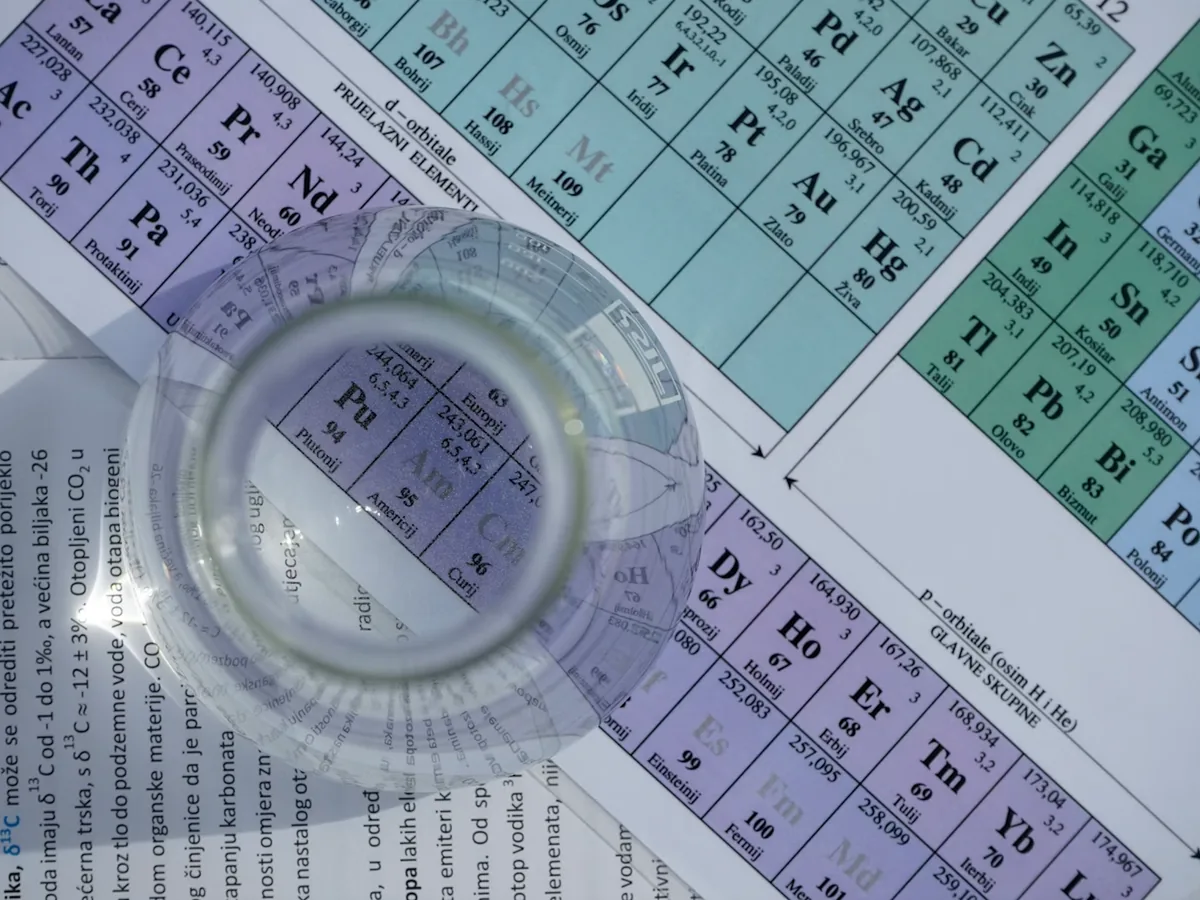
We test for the key indicators associated with water wellness and health: lead, nitrate, copper, iron, fluoride, pH, alkalinity and hardness.
Each result is checked against its UK limit, which matches the World Health Organization's guideline where it has one. Together they make your Water Health Score.
Something went wrong starting your payment. Please try again.
Results within 3 working days of your sample reaching our lab
The 8 things we test your water for, one by one
Health readings
Lead, nitrate, copper and fluoride have UK limits set to protect health. Where there's good reason, we flag them before they reach the limit.
-
Lead
UK limit 10 µg/L
Every WaterGraph test measures lead. No safe level of lead is known, so any lead we can measure is flagged and caps your Water Health Score. The EU's lead limit falls to 5 µg/L by 2036. Canada's lead limit is already 5 µg/L.
Sources: UK regulations · World Health Organization · EU Drinking Water Directive · Health Canada
-
Nitrate
UK limit 50 mg/L
Nitrate in tap water comes mostly from farm fertiliser. The UK limit for nitrate is 50 mg/L, set to protect bottle-fed babies. One large Danish study linked nitrate from around 4 mg/L to a slightly higher risk of bowel cancer. Reviews of all the studies haven't confirmed that link, so we flag nitrate from 9 mg/L as one to watch.
Sources: UK regulations · World Health Organization · Schullehner et al. 2018 · Picetti et al. 2022
-
Copper
UK limit 2 mg/L
Copper in tap water comes from copper pipes, and it's highest in water that has sat in them overnight. From 1 mg/L, copper can make water taste metallic and stain basins blue-green. The UK limit for copper is 2 mg/L, set to protect against stomach upset.
Sources: UK regulations · Australian Drinking Water Guidelines · Health Canada
-
Fluoride
UK limit 1.5 mg/L
Fluoride is added to some UK water supplies at 1 mg/L to protect teeth, and it occurs naturally in some groundwater. We flag fluoride above 1.2 mg/L, the top of the range the government accepts for fluoridation schemes. Above the UK limit of 1.5 mg/L, the risk of tooth mottling rises.
Sources: UK regulations · Department of Health and Social Care · UK Health Security Agency
Wellness readings
Iron, pH, hardness and alkalinity have no UK health limit. They affect taste, appearance, limescale and pipes, and may affect skin and hair. We show them so you know your water, not because they're a health risk on their own.
-
Iron
UK standard 0.2 mg/L
Iron in tap water comes mostly from old iron mains and pipes. The UK standard for iron is 0.2 mg/L. From about 0.3 mg/L, iron can make water taste metallic, look brown and stain laundry. We flag iron from 0.1 mg/L, half the UK standard.
Sources: UK regulations · Australian Drinking Water Guidelines
-
pH
UK range 6.5 to 9.5
pH measures how acidic or alkaline your water is. The UK range for tap water is pH 6.5 to 9.5. Acidic water, below pH 6.5, draws more lead and copper from pipes, so we read pH alongside lead and copper.
Sources: UK regulations · World Health Organization
-
Hardness
No UK limit
Hardness measures how much calcium and magnesium your water carries. There's no UK limit for hardness. Hard water leaves limescale in kettles and showers. A UK study has linked hard water to eczema in babies.
Sources: Perkin et al. 2016 · Health Canada
-
Alkalinity
No UK limit
Alkalinity is your water's buffer, which keeps its pH steady. There's no UK limit for alkalinity. High alkalinity goes with limescale, and low alkalinity can make water more corrosive to pipes.
Sources: Alberta Health
Beyond the 8
- PFAS (forever chemicals). Not in the 8. WaterGraph Premium adds a lab test for 50 PFAS.
- Bacteria. Not in our tests. Your water company tests for them across its network, including at taps in homes.
- Microplastics, bisphenols and hormones. Not yet. They're on our roadmap, and customers hear first.
A screening test, not a certificate
We offer a screening test, not a certificate that your water is safe. We don't offer a UKAS-accredited laboratory service. Where a reading points to a possible compliance issue, we tell you plainly and we always recommend an accredited lab test to confirm it.
Tap water FAQs
Is UK tap water safe to drink?
Generally, yes. In 2025, public water supplies in England met the standards in 99.97% of tests, the Drinking Water Inspectorate reports. Of the tests that failed, almost half were down to the pipes and fittings inside homes and other buildings. Your area's figures can't show what your own pipes add. Only a test of your own tap shows what's coming out of it.
Sources: Drinking Water Inspectorate, 2025 report · Drinking Water Inspectorate, compliance in 2025
How do I know if I have lead pipes?
If your home was built before 1970, it may have them. Look at the pipe going into your internal stop tap, often under the kitchen sink. Unpainted lead pipes are dull grey, and if you scrape one gently with a coin, the metal underneath is shiny and silver. Your water company can test your kitchen tap for lead, and some do it free of charge. Every WaterGraph Test measures lead too, and any detectable lead caps your Water Health Score.
Sources: Drinking Water Inspectorate, lead · Wessex Water, free lead tests
Can I trust my water company's water quality data?
Yes, for what it covers. Water companies test across their supply area, including taps in homes chosen at random, and the Drinking Water Inspectorate reviews the results. But the data describes your area's supply, not your home. Your own pipes, and how long water sits in them, can change what comes out of your tap. Only a test of your own tap shows that. That's why we test the first water out of your tap, which has been sitting in your pipes.
Is tap water safe for babies in the UK?
The NHS says to make up formula with fresh tap water, boiled and left to cool for no more than 30 minutes, so it stays at 70°C or above. Don't use artificially softened water or water that's been boiled before, and bottled water isn't usually recommended. Fully breastfed babies don't need water until they start solid food, and formula-fed babies may need small sips of cooled boiled water in hot weather. From 6 months, drinking water doesn't need to be boiled. Two readings matter especially for babies: lead and nitrate. The Drinking Water Inspectorate says babies, including unborn babies, and children are most at risk from lead. Nitrate is a particular concern for infants. Every WaterGraph Test measures both.
Sources: NHS, making up formula · NHS, drinks for babies · Drinking Water Inspectorate, lead · Drinking Water Inspectorate, nitrate
Test your tap
A lab test of your tap water, your Water Health Score and a Care Plan, posted UK-wide. From £49.